
Beginner Golf Equipment Guide: What You Need and What You Don’t
Getting started with golf can feel overwhelming. With so many golf clubs, bags, balls, shoes, and accessories available, beginners often struggle to decide what to buy first. It is easy to spend more than necessary before you have even played your first full round.
Do you really need all 14 clubs? Should you buy new equipment or consider secondhand options? And is a $500 budget enough to get start
In this beginner golf equipment guide, we will explain what you need, where you can save money, which items are worth investing in, and how to build a practical setup with a budget of around $500 or $1,000.
 1. What Golf Equipment Do Beginners Really Need?
When you are new to golf, buying a complete collection of equipment may seem like the easiest option. However, starting with a few essentials can make learning more manageable and help you avoid unnecessary spending.
Golf Clubs: Start with a Practical Set
Golf clubs are the most important part of your setup, but you do not need all 14 clubs allowed under the Rules of Golf when you are just starting.
A beginner setup can include a driver, a fairway wood or hybrid, several irons, a wedge, and a putter. These clubs cover many common situations, from tee shots to approach shots and putting on the green.
A complete golf club set is a convenient option because the clubs are selected to work together. It also saves you from comparing individual specifications before you understand your own playing preferences.
Before buying, check which clubs are included, whether the set comes with a golf bag, and whether the shaft flex, club length, and handedness suit you. The right combination matters more than having the largest number of clubs.
Golf Balls: Choose Affordable Options for Practice
Beginners often lose golf balls while learning to control direction and distance. For that reason, expensive tour-level balls are rarely a necessary first purchase.
Look for affordable golf balls that suit your practice needs. As your contact becomes more consistent, you can experiment with different types and learn how feel, spin, and flight affect your game.
Buying a dozen reasonably priced balls is often a sensible starting point. You can upgrade later when you have a clearer idea of what works for your game.
Golf Gloves: Focus on Fit and Grip
A golf glove can help you maintain a comfortable grip while reducing friction between your hand and the club.
Choose a glove that fits closely without restricting movement. Excess material around the fingers or palm can create folds and make gripping less comfortable.
Most beginners can start with one glove for their lead hand. Right-handed golfers typically wear a glove on the left hand, while left-handed golfers typically wear one on the right.
Golf Shoes: Prioritize Comfort and Stability
Golf involves walking, turning, and maintaining balance throughout the swing. Comfortable shoes with suitable traction can make a noticeable difference during a long practice session or round.
When comparing golf shoes, consider the fit, outsole design, weather conditions, and how much walking you expect to do. Soft-spike and spikeless designs can both work well, depending on the course and your preferences.
You do not need the most expensive model. A comfortable pair that provides reliable grip and suits your usual playing conditions is a better starting point than a premium pair that does not fit properly.
 2. Where Can Beginners Save Money?
You can build a useful golf setup without buying every item brand-new. The key is understanding which purchases can wait and which items deserve more attention.
Consider Secondhand Golf Clubs
Secondhand clubs can be a practical way to reduce your initial costs. Many beginners do not need the latest models while learning basic swing mechanics and developing consistency.
Before buying used clubs, inspect the clubfaces for excessive wear, check the shafts for dents or bends, and examine the grips for cracks or deterioration. Make sure the club length and configuration are suitable for you
Whenever possible, choose a seller who provides clear product photos, accurate descriptions, and a reasonable return policy. If you are unsure whether a club suits your swing, consider asking an experienced golfer or club fitter for advice.
Used equipment can offer good value, but the lowest price is not always the best deal. A club in poor condition or with unsuitable specifications may cost more in the long run.
Skip Premium Balls and Extra Accessories for Now
Advanced rangefinders, swing analyzers, premium golf balls, and large collections of accessories can be useful in certain situations, but they are not essential for every beginner.
Start with the items you will use regularly. As you gain experience, you will discover which additional products solve real problems for you.
For example, someone who practices mostly indoors may not need the same accessories as a golfer who frequently plays outdoors in changing weather. Buy according to your routine rather than assuming every golfer needs the same equipment.
Invest in Equipment That Affects Comfort and Consistency
Some purchases deserve more attention because they directly affect how comfortable and confident you feel while playing.
- Well-fitted clubs: Club length, shaft characteristics, and grip size can influence comfort and control.
- Comfortable shoes: Good fit and suitable traction help support walking and balance.
- A reliable glove: A suitable fit helps you maintain a comfortable grip.
- A practical golf bag: Convenient storage and comfortable carrying can make regular rounds easier.
You do not have to spend the most on every category. Identify the equipment you will use most often and allocate your budget accordingly.
3. How to Build a Golf Setup on a $500 Budget
A $500 budget can be a reasonable starting point for someone who wants to begin practicing without making a large initial investment.
The following allocation is an example rather than a fixed market price. Actual costs will depend on the brand, current discounts, included equipment, and your location.
Example $500 Beginner Budget
- Golf club set: $250–$320
- Basic golf shoes: $60–$90
- Golf glove: $10–$20
- Golf balls and tees: $20–$40
- Remaining budget: approximately $30–$60
This approach prioritizes a functional set of clubs and the basic items needed for practice. If you already own suitable athletic shoes or can borrow a golf bag, you may be able to save even more.

KVV offers beginner-friendly club set options at different price points. For example, the KVV Men's Golf Clubs Package Set has been listed at around $229, while product configurations and prices may change. Check the current product page to see whether the set fits your budget and whether a golf bag is included in the selected option.
If you find a suitable secondhand set in good condition, that can also be an option. Just make sure the specifications work for you rather than choosing a set based on price alone.
A smaller initial setup is especially useful if you are still deciding how frequently you will play. After a few lessons or several weeks of practice, you will have a better idea of what deserves your next investment.
4. How to Build a Golf Setup on a $1,000 Budget
If you have around $1,000 to spend, you have more flexibility. You can compare a wider range of club sets, choose shoes with features that suit your needs, and reserve money for lessons or additional practice.
However, a larger budget does not mean you need to spend every dollar immediately.
Example $1,000 Beginner Budget
- Golf club set: $350–$500
- Golf shoes: $100–$150
- Gloves and practice balls: $40–$70
- Golf bag or other useful equipment: $100–$150
- Lessons, range sessions, or future adjustments: $130–$250
This setup gives you more room to choose equipment based on fit and comfort instead of price alone. You may also be able to reserve money for a beginner lesson, which can help you develop better habits early.
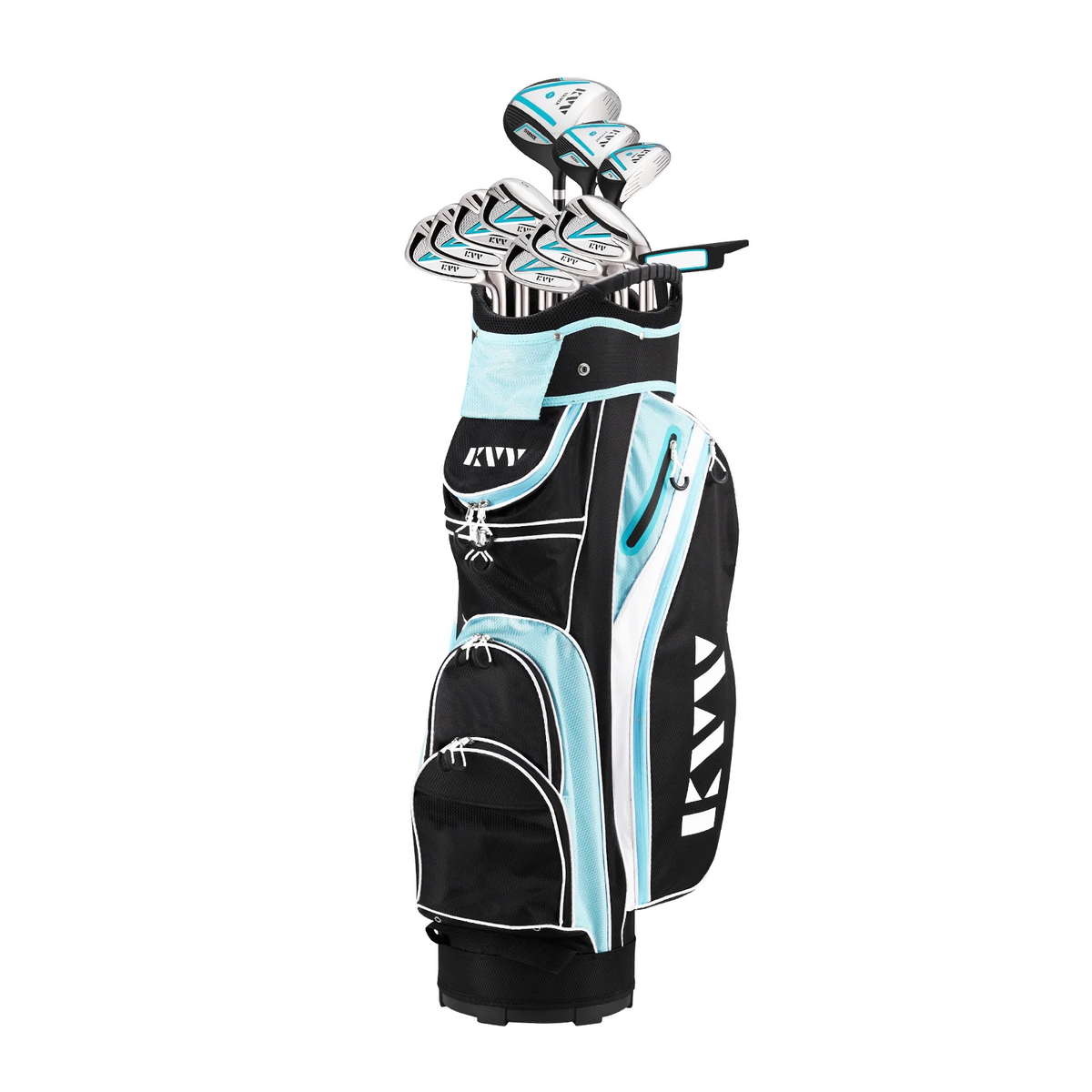
Some complete sets already include a golf bag. For example, the KVV Women's Complete Golf Clubs Set lists a cart bag among its included items. Check the current configuration before purchasing, since included equipment can vary between sets.
If a suitable bag is already included, you do not necessarily need to buy another one. Consider using that money for lessons, practice sessions, or equipment adjustments instead.
The same principle applies to accessories. Purchase items when you understand why you need them, not simply because they are available.
Which Budget Is Right for You?
A $500 setup may be sufficient if you are trying golf for the first time and want to keep costs manageable. A $1,000 setup offers more flexibility if you expect to practice regularly and want additional room for fitting, lessons, and equipment upgrades.
Neither budget guarantees better performance. Choosing suitable equipment and practicing consistently matter more than the total amount spent.
These figures are illustrative allocations, not guaranteed current retail prices. Check current product prices, included equipment, and availability before making a purchase.
5. How to Choose the Right Beginner Golf Club Set
A complete set can simplify shopping, but not every set will suit every golfer. A few practical checks can help you make a more informed decision.
Check Your Height, Handedness, and Swing Characteristics
Start by confirming whether you need right-handed or left-handed clubs. Next, consider your height, posture, and comfort when addressing the ball.
Shaft flex and club length can also affect how a club feels during the swing. Beginners may not know their ideal specifications immediately, so trying clubs or consulting a qualified fitter can be helpful when possible.
Avoid choosing clubs based only on appearance or claims that a particular model will automatically improve your game. The best starting point is equipment you can use comfortably and consistently.
Read the Included Club List Carefully
Complete sets can differ in the number of clubs, club combinations, and included accessories. Some include a golf bag, while others contain clubs only. Certain sets include a hybrid, while others offer a different mix of woods and irons.
Review the product description before purchasing so you know exactly what you are getting. This also helps you avoid paying twice for equipment you already own.
For a starting point, compare the KVV Men's Golf Clubs Package Set with other available options. Check the included clubs, handedness, and whether the selected configuration comes with a bag.
If you prefer a set that includes a bag, the KVV 11-Club Complete Set with Stand Bag is another option to review. Check its current availability and specifications before deciding.
6. Five Common Golf Equipment Buying Mistakes
Mistake 1: Buying All 14 Clubs Immediately
You do not need to fill your bag with every possible club before you start playing. Begin with a practical selection and learn how to use each club effectively.
Mistake 2: Choosing Price Over Fit
A low price is attractive, but unsuitable club length, shaft characteristics, or grip size can make learning less comfortable. Compare specifications as well as cost.
Mistake 3: Ignoring Shoe Comfort
Golf often involves extended periods of walking and standing. Shoes that cause discomfort can make practice less enjoyable, so prioritize fit and stability.
Mistake 4: Buying Too Many Accessories
Many accessories can wait until you have more experience. Start with the basics and add equipment when you understand how it will support your routine.
Mistake 5: Spending the Entire Budget on Clubs
Clubs are important, but lessons and practice are also part of learning golf. Leaving room in your budget for these activities can be more useful than buying additional clubs you rarely use.
FAQ
Do Beginners Need a Complete Set of Golf Clubs?
Not necessarily. You can rent or borrow clubs while trying the sport, or start with a beginner set that covers common shots. Add more clubs as your skills and playing needs develop.
Are Secondhand Golf Clubs Suitable for Beginners?
Yes, provided they are in good condition and have suitable specifications. Inspect the clubfaces, shafts, grips, and overall wear before buying. A clear product description and reasonable return policy can also help reduce uncertainty.
Should I Buy Golf Clubs or Golf Shoes First?
If you are still testing the sport, renting clubs can be a sensible way to begin. Check the course's footwear requirements before buying shoes. If you plan to practice regularly, both suitable clubs and comfortable shoes are worthwhile priorities.
How Much Should a Beginner Spend on Golf Equipment?
Your budget depends on how often you expect to play, what equipment you already own, and whether you are comfortable buying used items. A $500 setup can be a starting point, while a $1,000 budget offers more flexibility. These amounts are examples, not guarantees of current retail prices.
Do I Need a Golf Bag for Beginners?
If you own your golf clubs and plan to carry them to the driving range or course, a golf bag is a practical item to have. It helps organize your clubs and keeps smaller accessories together. However, you may not need to purchase a separate bag if your complete club set already includes one.
When Should I Upgrade My Golf Equipment?
Consider upgrading when you can identify a specific limitation in your current setup. For example, you may need different club specifications as your swing develops, or a more comfortable bag if you start playing frequently. Upgrades should solve a real need rather than follow a fixed timeline.
Final Thoughts: Start with Equipment That Fits Your Needs
Buying golf equipment does not have to be complicated or expensive. For many beginners, a suitable set of clubs, comfortable shoes, a basic glove, and enough balls for practice are a solid starting point.
Focus on fit, comfort, and usefulness rather than buying the largest collection of equipment. Consider secondhand clubs when appropriate, compare complete sets carefully, and leave some money for lessons and practice.
As your skills develop, you will have a better understanding of which upgrades are worth making. Starting with a practical setup helps you enjoy the game while keeping your budget under control.
Ready to choose your first set? Explore the KVV Golf Clubs Collection, compare the available configurations, and choose equipment that fits your budget and playing plans.